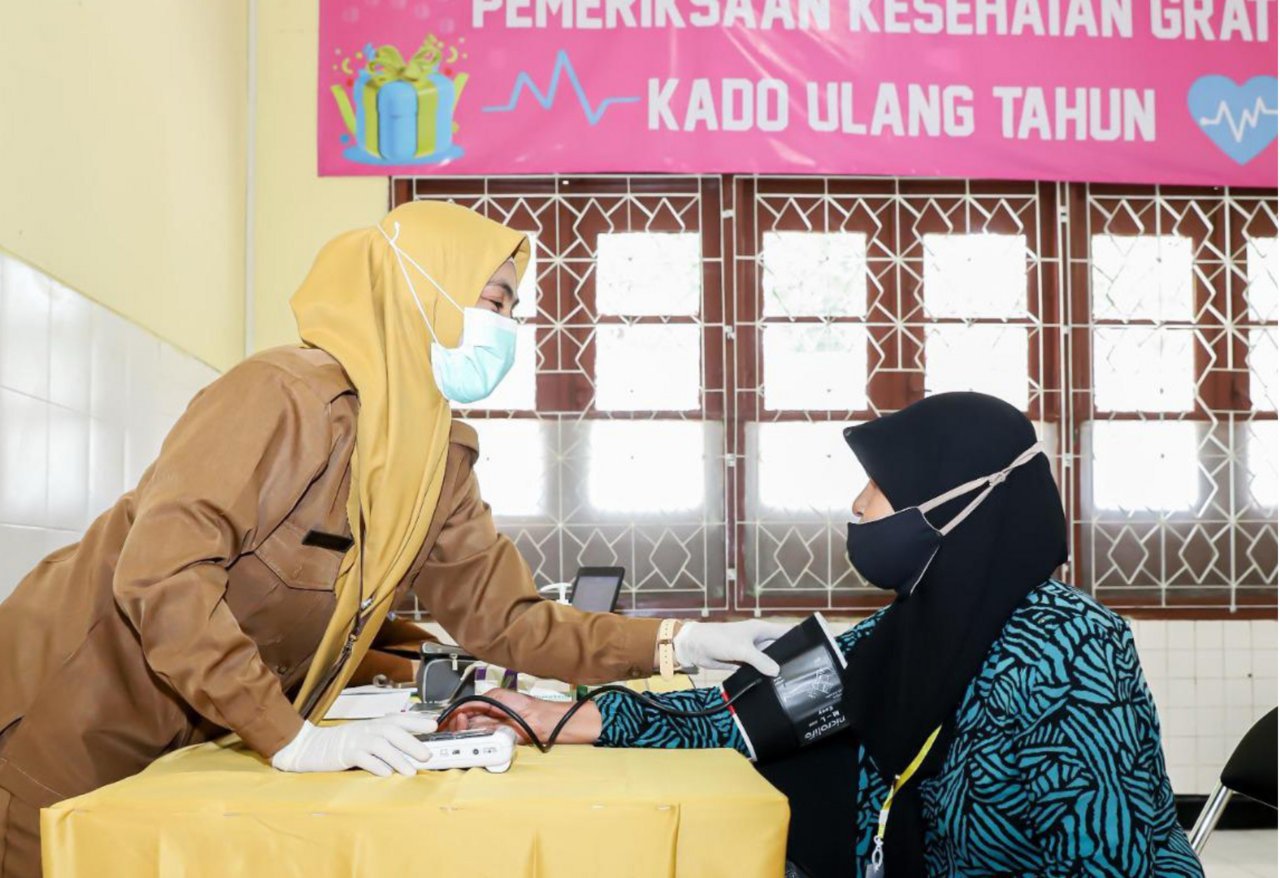
Indonesia's Ministry of Health (Kemenkes) reported that by 22 August 2025 more than 20 million people had used the free health check programme, known as CKG, in its general and school versions. The service runs in 38 provinces, 510 districts and cities and 10,132 community health centres (puskesmas), at an average of about 340,000 people a day. Among adults, the most common findings were too little physical activity (95.9 per cent), dental caries (43.3 per cent) and central obesity (34.9 per cent) (Kementerian Kesehatan Republik Indonesia [Kemenkes], 2025c).
Since April 2025 Kemenkes has also urged companies to host CKG for their employees (Kemenkes, 2025b). That invitation raises several questions for HR, HSE and company clinics, mostly about how CKG relates to the periodic health examination that Indonesian workplaces usually call an MCU. Here are six of them, answered with sources.
What Is CKG?
CKG, called Pemeriksaan Kesehatan Gratis in its first technical guideline, is a government programme governed by Minister of Health Decree No. HK.01.07/MENKES/33/2025 on technical guidelines for birthday free health checks, in force since 21 January 2025. People aged 18 and over are examined on their birthday or within a month after it, at primary care facilities and other venues, with the SATUSEHAT Mobile app supporting registration (Kemenkes, 2025a). Of the more than 20 million participants by 22 August 2025, 19,402,547 were served in the general category and 682,602 pupils through school checks (Kemenkes, 2025c). Most employees fall into the general category.
What Is Checked?
For adults the guideline covers cardiovascular risk factors, the lungs including tuberculosis and COPD, early detection of breast, cervical, lung and bowel cancer, the senses, mental health, the liver, and checks for couples about to marry (Kemenkes, 2025a). The checks are matched to age and the most common diseases, not to the participant's job.
Can Workplaces Host It?
Yes. Kemenkes urges companies to host CKG for employees, citing a company that ran three days of screening, vaccination and medical consultation at its office (Kemenkes, 2025b). Labour rules allow for this too: Regulation No. PER.02/MEN/1980 lets employers use health services outside the company so that periodic examinations reach as many workers as possible (Departemen Tenaga Kerja dan Transmigrasi [Depnakertrans], 1980).
A Substitute for MCUs?
In our view, no. PER.02/MEN/1980 distinguishes pre-employment, periodic and special health examinations. Periodic examinations must be held at least once a year, are meant to detect the effects of work on health as early as possible, and include a full physical examination, physical fitness, a chest X-ray where possible, routine laboratory tests and any other tests considered necessary. The employer and the doctor must draw up guidelines for them according to the types of work involved (Depnakertrans, 1980). The same regulation provides for special examinations, among others for workers who have had an accident or illness needing more than 2 weeks of treatment, workers over 40, and whenever workers raise complaints (Depnakertrans, 1980).
That is the difference. CKG screens for common disease by age, whereas periodic examinations start from workplace hazards, for example audiometry for workers in noisy areas or lung function tests for workers exposed to dust. CKG results remain useful as additional information, but they do not answer whether a person's job is harming their health.
Who Holds the Duty?
PER.02/MEN/1980 places the duty for pre-employment and periodic examinations on the company, including drawing up an examination plan and reporting results no later than 2 months after the examination (Depnakertrans, 1980). Government Regulation No. 88 of 2019 on occupational health states that occupational health must be provided by workplace managers and employers, with prevention standards covering identification and control of health hazards, health examinations, fitness-for-work assessment and occupational health surveillance (Pemerintah Republik Indonesia, 2019). A free government programme does not shift that duty.
Acting on Findings
PER.02/MEN/1980 requires employers to follow up abnormalities found in periodic examinations, including their causes (Depnakertrans, 1980). Adult CKG findings dominated by inactivity and central obesity (Kemenkes, 2025c) suggest that workplace health promotion is still needed. The steps we recommend:
- Map health hazards for each job title, then set periodic and special examinations from that map.
- Use CKG for general employee screening without dropping hazard-related examinations.
- Ask employees for consent before their personal CKG results are used in company programmes.
- Follow up findings by improving the work environment, not only by medical referral.
Nusa Safety Support
Nusa Safety helps companies map health hazards through ergonomics and work environment assessments, and then draw up procedures and technical guidelines for job-based health examinations together with the company doctor. Nusa Safety does not issue Kemnaker or BNSP safety certificates or licences and is not a PJK3.
This article is general information and not legal or professional advice for any specific case.
References
- Departemen Tenaga Kerja dan Transmigrasi. (1980). Peraturan Menteri Tenaga Kerja dan Transmigrasi Nomor PER.02/MEN/1980 tentang Pemeriksaan Kesehatan Tenaga Kerja dalam Penyelenggaraan Keselamatan Kerja [Minister of Manpower and Transmigration Regulation No. PER.02/MEN/1980 on health examination of workers in the implementation of occupational safety]. https://jdih.kemnaker.go.id/peraturan/detail/2402
- Kementerian Kesehatan Republik Indonesia. (2025a, January 21). Jelang implementasi, petunjuk teknis pemeriksaan kesehatan gratis diterbitkan [Ahead of implementation, technical guidelines for free health checks issued]. https://www.kemkes.go.id/id/jelang-implementasi-petunjuk-teknis-pemeriksaan-kesehatan-gratis-diterbitkan
- Kementerian Kesehatan Republik Indonesia. (2025b, April 24). Membangun budaya sehat di tempat kerja, Kemenkes dorong cek kesehatan gratis bagi karyawan [Building a healthy culture at work, the Ministry of Health encourages free health checks for employees]. https://kemkes.go.id/id/membangun-budaya-sehat-di-tempat-kerja-kemenkes-dorong-cek-kesehatan-gratis-bagi-karyawan
- Kementerian Kesehatan Republik Indonesia. (2025c, August 22). 20 juta warga mengikuti cek kesehatan gratis [20 million people take part in free health checks]. https://www.kemkes.go.id/id/20-juta-warga-sudah-dilayani-cek-kesehatan-gratis
- Pemerintah Republik Indonesia. (2019). Peraturan Pemerintah Nomor 88 Tahun 2019 tentang Kesehatan Kerja [Government Regulation No. 88 of 2019 on occupational health]. https://pasal.id/peraturan/pp/pp-no-88-tahun-2019