
Rope Access & Rescue · AHCC101002
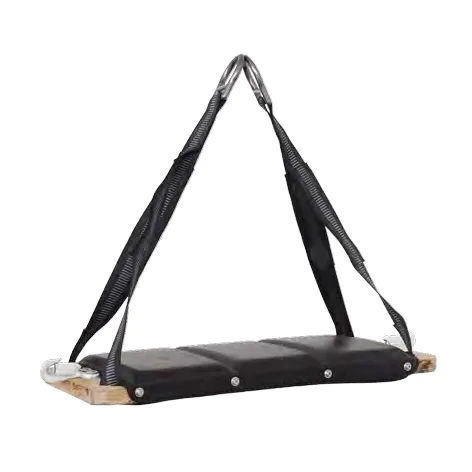
Illustration of the product family. Product photos will follow; ask our team if you need a picture or the datasheet.
Helmet Visor for Rescue/Climbing Helmet
Code: AHCC101002
EN 16321-1:A1:2024
A polycarbonate visor lens for the KStrong rescue and climbing helmets. It is anti UV, anti fog and scratch resistant.
Prices are sent in a quotation once you submit your cart, adjusted to your quantity and delivery location.
Key features
- Anti UV
- Anti fog
- Scratch resistant
Technical specifications
| Lens material | Polycarbonate lens |
|---|---|
| Weight | 60 gms ± 5 gms |
| Standards | EN 16321-1:A1:2024 |
BUYER'S GUIDE
Rope Access, Suspension Work and Rescue
Rope access, or industrial climbing, is a form of work positioning that uses ropes, pulleys, karabiners and rigging plates to reach difficult locations without scaffolding, cradles or aerial work platforms. Rope rescue is used in an emergency to retrieve a person who has fallen and is suspended in a harness.
- Use rope access only where traditional access systems cannot be installed, and always together with a fall protection system.
- Suspension work needs a full body harness with two attachment points, a primary for suspension and a secondary backup; the ventral (waist) points are best for suspension and a seat may be needed for long periods.
- Use anchor points rated to 12kN, or a tripod or davit system, for suspension work.
- Plan rescue before work starts: a rescue system must raise or lower the casualty with no free fall, and the rescuer needs a backup fall arrest system on anchors rated to 15 kN.
- Pre-assembled rope rescue kits give trained personnel a fast way to rescue a casualty from tower cranes, container cranes, wind turbines, ladders, lanyards, safety lines or inertia reels.
Summarised from the manufacturer's catalogue. Selection must follow your site risk assessment and the competent person's judgement.
More in this family
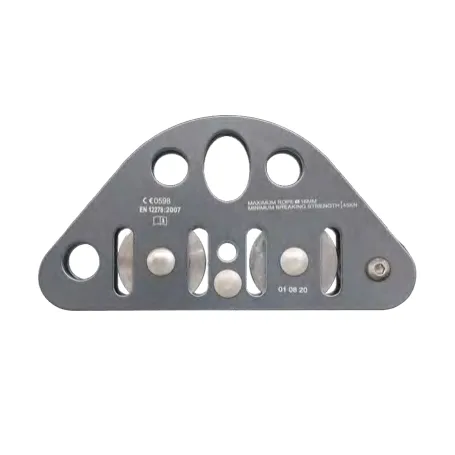


Technical data from the manufacturer's catalogue, page 151. Specifications may change; please confirm with our team before ordering.
